Es war Mord! Wahre Verbrechen der Zeitgeschichte
Vier Menschen. Vier Schicksale. Vier Verbrechen, die Geschichte schrieben.
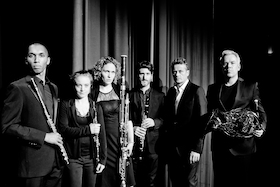
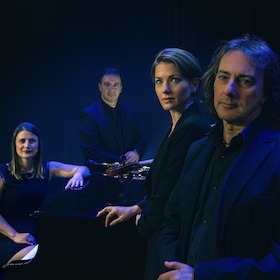
Mit „Es war Mord!“ verbinden wir True Crime, klassische Musik und politische Zeitgeschichte zu einem außergewöhnlichen Konzertabend. Was als Podcast- oder Streaming-Format Millionen fasziniert, bringen wir in eine konzentrierte Bühnenform: eindringlich, reflektiert und musikalisch verdichtet.
Im Mittelpunkt unseres Abends stehen vier reale Fälle aus dem 20. und 21. Jahrhundert:
Matthias Erzberger – Reichsfinanzminister, Friedensunterhändler und Opfer eines rechtsradikalen Attentats im Jahr 1921. Sein Mord markierte einen folgenschweren Einschnitt für die junge Weimarer Republik.
Hans Litten – der brillante Rechtsanwalt, der Adolf Hitler 1931 als Zeugen vor Gericht in die Enge trieb. Nach der Machtübernahme der Nationalsozialisten wurde er verhaftet, durch mehrere Konzentrationslager verschleppt und systematisch misshandelt. In der Haft war es vor allem die Musik Johann Sebastian Bachs, die ihm Halt und innere Würde bewahrte – ein geistiger Widerstand gegen die Entmenschlichung, der ihn bis zuletzt begleitete.
Petra Kelly – Mitbegründerin der Grünen und Symbolfigur der Friedensbewegung der 1980er-Jahre. Ihr Tod im Jahr 1992 wirft bis heute Fragen auf und steht für die Spannungen und Brüche einer Epoche.
Anna Politkowskaja – Investigativjournalistin, die unerschrocken über die Tschetschenienkriege berichtete und systematische Menschenrechtsverletzungen öffentlich machte. 2006 wurde sie in Moskau ermordet. Ihr Todestag fällt auf den 7. Oktober, den Geburtstag Wladimir Putins – ein Umstand, der bis heute Fragen aufwirft.
Diese vier Verbrechen stehen für politische Gewalt, ideologische Radikalisierung und den hohen Preis von Zivilcourage. Gemeinsam mit Roman Knižka führen wir durch diese Geschichten, zeichnen historische Hintergründe nach und machen die menschlichen Dimensionen der Ereignisse erfahrbar.
Die Musik ist dabei kein Beiwerk, sondern dramaturgischer Partner der Erzählung. Werke von Henry Mancini, Carl Nielsen, Igor Strawinsky, Samuel Barber, Henri Tomasi und Johann Sebastian Bach treten in einen vielschichtigen Dialog mit den Texten und vertiefen die emotionale wie historische Dimension des Abends.
Auch der Sound einer Epoche findet seinen Platz: In der alten Bundesrepublik formierte sich in den 1980er-Jahren die größte Friedensbewegung ihrer Geschichte – ihr musikalischer Ausdruck ist bis heute unvergessen. Lieder wie „Ein bisschen Frieden“, „99 Luftballons“, „Der blaue Planet“ oder „Sag mir, wo die Blumen sind“ stehen für Hoffnung, Protest und die Sehnsucht nach einer anderen politischen Wirklichkeit.
„Es war Mord!“ ist für uns mehr als ein Konzert. Es ist ein Abend über Mut und Verantwortung, über Demokratie und ihre Feinde, über Zivilcourage und die Zerbrechlichkeit politischer Ordnung.
Für unsere Arbeit in der Vermittlung von Zeitgeschichte wurden wir mit dem Hans-Frankenthal-Preis der Stiftung Auschwitz-Komitee ausgezeichnet. Mit diesem Programm führen wir unseren künstlerischen Weg konsequent weiter – intensiv, relevant und nah an den politischen Fragen unserer Gegenwart.
Einlass: 18:30 Uhr

 Hallo, ich bin Maya.