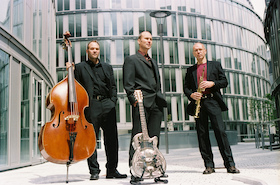
Oliver Steller mit Dietmar Fuhr (Kontrabass) und Bernd Winterschladen (Saxophon) - Zwischen den Sternen. Gedichte - Briefe - Leben.
Oliver Steller spricht und singt Rainer-Maria Rilke „Zwischen den Sternen“
„Zwischen den Sternen“ - Gedichte • Briefe • Leben
mit Dietmar Fuhr (Kontrabass) und Bernd Winterschladen (Saxophon)
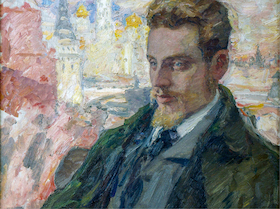
„Rainer Maria Rilke“ – den meisten von uns klingen einige Zeilen seiner berühmtesten und schönsten Gedichte im Ohr, wenn wir diesen Namen hören. Der Lyriker Rainer Maria Rilke war eine der herausragendsten dichterischen Persönlichkeiten im beginnenden 20. Jahrhundert.
„Du musst das Leben nicht verstehen, dann wird es wie ein Fest!“ lautet ein kleines Gedicht von Rainer Maria Rilke. Wie „ein Kind mit Blüten beschenken lassen“, wie es bei dem Dichter weiter heißt, konnte sich jetzt das Publikum. Ein einzigartiger Abend, der zum Fest geriet, berauschend, begeisternd. Ein Abend für Herz und Verstand, aus dem man mit geschärften Sinnen hinaus ging und der noch lange nachklingen wird. Oliver Steller ist ein Mann der leisen, meditativen Töne, der Rilkes bewegte Lebensreise unprätentiös, nachdenklich und humorvoll erzählt und singt. Der Schauspieler, Sänger und Gitarrist gewährt für gut zwei Stunden Zuflucht auf einer Insel intellektueller Besinnung. Steller und seine fantastischen Musikerkollegen, der Saxophonist Bernd Winterschladen und Dietmar Fuhr am Kontrabass, spüren in ihren Rilke-Vertonungen jede literarische Gefühlsverästelung des Dichters auf. Mehr noch, ihnen gelingt es, auch Skeptiker zu überzeugen, die noch keinen Zugang zum hohen Ton des Dichters gehabt haben. Man findet sich „Zwischen den Sternen“, so der Titel der Hommage, wieder und geht womöglich als Rilke-Verehrer in die Nacht hinaus. Mehr kann ein musikalisch-literarischer Abend nicht leisten. Oliver Steller und seine Musikerkollegen sind jedenfalls um Lichtjahre besser als die vermeintlich großen Namen, die vor nicht allzu langer Zeit mit einem auf Event getrimmten „Rilke Projekt“ das Publikum beglücken wollten.“Wer spricht von Siegen? Überstehen ist alles!“, notiert Rilke trotzig-resignierend während seiner Pariser Galeerenjahre, die ihm „Heimat und Heimsuchung“ zugleich sind. „Betrachte und verweile“ rät ihm Rodin, als dessen Sekretär er sich an der Seine verdingt. Rilke schreibt das „Stundenbuch“ und mag sich gefühlt haben wie „Der Panther“, den er gefangen hinter „tausend Gitterstäben keine Welt“ entdecken lässt. „Die Erlösung kam wie fast immer bei Rilke in Gestalt einer Frau“, Oliver Steller wiederholt diese Feststellung mit einem Anflug von Lakonie mehrmals. Rilke und die Frauen, ein Kapitel für sich. Eine betuchte Adlige lädt den Dichter 1905 nach Capri ein, damit er sich entfalte wie ein “ Feigenbaum im Mondenschein“ und die drei Interpreten lassen dazu eine Ahnung von Meeresrauschen aufbranden. Fürstin Marie von Thurn und Taxis gewährt dem Rastlosen 1912 in Duino ein Refugium, dort entstehen die „Duineser Elegien“. Die Weiten Russlands lässt Steller ihn zuvor mit der 14 Jahre älteren Lou Andreas Salomé erkunden. Rilke wird es nicht gelingen, von der verheirateten Frau, der auch Nietzsche verfallen war, los zu kommen. Schließlich die nur ein Jahr währende Ehe mit der Worpsweder Bildhauerin Clara Westhoff, die die Liebesnächte mit dem von Einsamkeit Besessenen, anders als Claire Goll, wohl nicht als „Märchen aus 1001 Nacht“ empfunden haben mag. 1926 stirbt Rilke nur 51-jährig im Wallis, aufgezehrt „vom Orkan im Geist, mit dem er die ’Sonette an Orpheus’“gedichtet hat, setzt Steller den Schlusspunkt“ Weser Kurier
Weitere Pressestimmen:
„Wunderschöne musikalische Interpretationen!“ SWR-Fernsehen
„Oliver Steller transportiert mit Hilfe seiner Stimme, Gestik und Körperhaltung die Emotionen und Gedanken der verschiedenen Textpassagen. Die Verknüpfung von Musik und Literatur gelingt dem Trio perfekt“ Deutschland Today
„Wer bei den Namen Lessing, Heine, Hölderlin, Rilke und Tucholsky an seine Schulzeit erinnert wird und beinahe Pickel bekommt, hat Oliver Steller noch nicht live erlebt“ WN
„Ein Abend mit Gitarrist und Rezitator Oliver Steller verspricht immer einen literarisch musikalischen Höhepunkt“ Schwäbische Zeitung
„Wer kann mit einem Satz trösten und erfreuen? Der Rezitator. Keiner vermag das so genial wie Oliver Steller, nicht zuletzt, weil er auch Musiker ist“ Westfälische Nachrichten
„Ein gelungener Abend für Seele und Verstand“ Selfkant Online
„Zwei Jahre arbeitete Oliver Steller an seinem Rainer Maria Rilke-Programm. Die Textauswahl, die Dramaturgie und die musikalische Bearbeitung mündeten schließlich in ein grandioses Bühnenprogramm“ Rheinische Post
„Die musikalischen Umsetzungen bestachen durch Raffinesse, Emotionalität, präzise Breaks, ostinaten Klangflächen, Unisono-Passagen und herrlichen Saxophon-Improvisationen. Der Interpret aus dem Rheinland verfügt nicht nur über eine voll tönende Barritonstimme, sondern auch über einen großen musikalischen Gestaltungswillen“ Hessisch Niedersächsische Allgemeine
„Oliver Stellers Stimme füllt den Saal, selbst die Pausen zwischen den Versen waren über hunderte von Zuschauern hinweg, in der hintersten Reihe noch zu spüren. Der Rezitator versteht es, sein Publikum bis zur letzten Zeile in seinen Bann zu ziehen“ Stuttgarter Nachrichten
„Oliver Steller besitzt jene spannungsvolle Zwischenlage zwischen Tenor und Bass, die geradezu prädestiniert zu sein scheint, dem Zuhörer von einer sehnsuchtsvollen Suche zu erzählen. Intim, virtuos und manchmal bewusst geheimnisvoll“ Bonner Generalanzeiger
„Dezent holt Oliver Steller bei seinem Auftritt den Dichter Rilke in die Neuzeit – macht ihn zum Zeitgenossen“ Kölner Rundschau
„Mit seinen Adaptionen bringt Steller Rilke einem größeren Publikum nahe und damit einen Poeten, der auf Grund seiner ungeheuren Sprachkraft, seiner Imaginationsfähigkeit und seinem unerschöpflichen Fundus an Bildern und Worten zu einem der größten Dichter deutscher Sprache gehört“ Kölner Stadtanzeiger
„Zwischen den Liedern und Rezitationen versteht es Steller, Rilkes Leben unterhaltsam, teils ironisch nachzuzeichnen. Stellers Rilke Abend ist in jeder Hinsicht eine Homage an den Dichter“ Solinger Tageblatt
„Die geballte Kraft springt die Zuhörer an und macht atemlos. Tief taucht Steller in das Leben Rilkes ein, in einer phantastischen Reise zu einem der herausragenden dichterischen Persönlichkeiten des beginnenden 20. Jahrhunderts und ließ es mit allen Facetten lebendig werden“ Schwäbische Zeitung
„An diesem Abend präsentierte einer Rilkes Lyrik, dem Selbstdarstellung sichtlich fern liegt. Zwischen Jazz und neuer Musik, einer Spur Klezmer und zwingenden Rhythmen bewegt sich dieser musikalisch-literarische Abend. Rilkes Lyrik erfordert eine Sensibilität, die Steller besitzt. Genau so stark ist Stellers Vortrag, wenn er Rilkes Worte ihrer eigenen Wirkung überlässt“ Marburger Zeitung
„Der Abend war ohne Makel – ein geschliffenes Rilke-Rundumpaket“ Oberhessische Presse
„Oliver Stellers Rilke-Programm ist eine kraftvolle Verbindung von Text und musikalischer Interpretation“ Hannoversche Allgemeine Zeitung
„In Oliver Stellers Rile-Programm sitzt man hellwach bis zur letzten Minute“ Zuschauerstimme
„Eindrucksvoll, lebendig und mitunter humorvoll zeichnete Oliver Steller das unruhige Leben des Dichters Rainer Maria Rilke nach. Seine eindrucksvolle Stimme begleitet von seiner Gitarre und seinen feinnervigen Musikern, faszinierte die das Publikum restlos“ Weser Kurier Bremen
„Ein feinfühliges Wechselspiel zwischen lyrischer Musik und musikalischer Poesie.“ Nürnberger Zeitung
„Allein schon das musikalische Vermögen eines jeden einzelnen hochkarätigen Musikers hätte den Besuch gelohnt. Die drei bildeten eine überzeugende Einheit und gestalteten den Abend zum literarisch-musikalischen Gesamtkunstwerk der eigenen Art.“ Münsteraner Zeitung
„Oliver Steller hat die besondere Gabe, Gedichte zum Leben zu erwecken.“ FAZ
„Im Laufe des Abends machte das exzellente Musiker-Trio um Oliver Steller vor allen Dingen eines: Lust auf mehr!“ Bonner Generalanzeiger
„Suchtgefahr ist nicht ausgeschlossen!“ Münstersche Zeitung
„Die geballte Kraft dieses Programms springt die Zuhörer an und macht atemlos“ Schwäbische Zeitung
Musikerbiografien:
Bernd Winterschladen, geboren 1960, spielt Tenor-,Bariton-und Sopransaxophon sowie Bassklarinette. Er verbindet Traditionalismus und freies Spiel in einer Weise, die ihn zu einem der begehrtesten Musiker in den verschiedenen Stilarten gemacht hat. So spielte er u.a. mit der Kölner Kultband „The Piano Has Been Drinking“, „Trance Groove“ sowie in der „Harald Schmidt Show“.
Kontrabassist Dietmar Fuhr, geboren 1964, gehört zu den gefragtesten Bassisten Deutschlands. Auf Grund seiner musikalischen Erfahrung und Bandbreite, liest sich die Liste der Gruppen mit denen er arbeitet wie das „Who is who“ der internationalen Jazz-Szene: Nils Wogram, Richie Beirach, David Liebman, Kurt Rosenwinkel, George Garzone, Bill Dobbins, Danny Gottlieb, Antonio Farao u.v.a..
Foto: Oliver Steller
Einlass ab 19:30 Uhr

 Hallo, ich bin Maya.