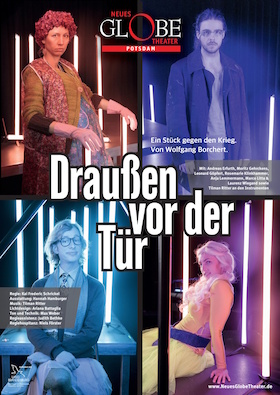
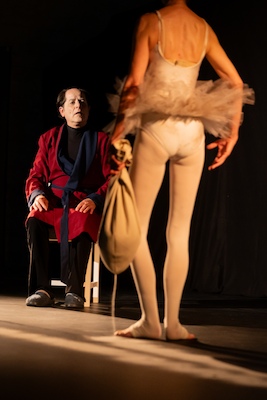
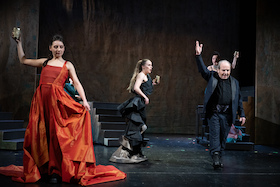
Neues Globe Theater Potsdam: Draußen vor der Tür - Wolfgang Borcherts Anti-Kriegs-Drama in einer bewegenden Neuinszenierung
Ein Mann kommt aus dem Krieg zurück – und findet keinen Platz mehr im Leben. Beckmann heißt er – aber niemand nennt ihn mehr beim Vornamen. Als hätte man ihm mit dem Namen auch das Ich genommen. Die Gesellschaft, der er diente, wendet sich ab. Was bleibt, ist das Stehen vor verschlossenen Türen. Draußen – vor der Welt, vor der Zukunft.
Beckmann ist 25, kommt aus russischer Kriegsgefangenschaft zurück in das zerbombte Hamburg. Gezeichnet an Körper und Seele: das Knie zerschossen, die Gasmaskenbrille haftet ihm wie ein Fremdkörper im Gesicht – ein ständiges Zeichen der Entmenschlichung. Doch statt Rückhalt oder Verständnis findet er nur Ablehnung: Die Frau hat ihn verlassen, der Oberst weist jede Verantwortung von sich, das Mädchen, das ihn vor dem Ertrinken rettet, will nichts von seinem Leid wissen. In einer traumähnlichen Wanderung begegnet Beckmann nicht nur Menschen, sondern auch überhöhten Figuren: dem Tod,
der Elbe, Gott – und dem Anderen, einer gespiegelten Version seiner selbst. Dabei öffnet sich eine vielschichtige theatrale Welt zwischen Realismus, Groteske und Lyrik – voller Sprachkraft, Widerstand und existenzieller Tiefe. Wolfgang Borcherts einziges Theaterstück ist mehr als ein Klassiker
der Nachkriegsliteratur: „Draußen vor der Tür“ ist ein poetischer Aufschrei gegen das Verstummen, gegen das Wegsehen, gegen das Verdrängen. Geschrieben 1947, wenige Monate vor Borcherts frühem Tod, ist dieses Stück heute aktueller denn je. Und ein Weckruf.
In einer Zeit, in der Fragen nach Kriegstauglichkeit, Wehrpflicht und Pazifismus wieder laut gestellt werden, trifft Beckmanns verzweifelte Suche nach Sinn und Menschlichkeit ins Mark. Gerade junge Menschen erleben hier keine bloße Geschichtsstunde, sondern eine emotionale Auseinandersetzung mit Verantwortung, Schuld und der Sehnsucht nach Frieden.
Das Neue Globe Theater bringt Borcherts Drama mit großer Klarheit, sprachlicher Intensität und emotionaler Unmittelbarkeit auf die Bühne: als kluges, forderndes Werk über die existenziellen Folgen von Krieg, das generationsübergreifend bewegt und zur Diskussion anregt – und das sich als gesellschaftlich relevantes, ästhetisch starkes Statement in jedem anspruchsvollen Spielplan positionieren lässt.
Ein Theaterabend, der aufrüttelt und nachwirkt – und die Tür nicht leise schließt.
Denn Beckmann steht nicht nur draußen. Er steht vor uns.
Wolfgang Borchert hat Draußen vor der Tür innerhalb von nur acht Tagen niedergeschrieben. Der Entstehungszeitraum wird zwischen Herbst 1946 und Januar 1947 angenommen. Am 13. Februar 1947 wurde es erstmals als Hörspiel vom Nordwestdeutschen Rundfunk ausgestrahlt. Am 21. November 1947 folgte die Uraufführung als Theaterstück in den Hamburger Kammerspielen. Beides wurden große Erfolge und machten den bis dahin unbekannten Borchert berühmt.
Viele Zeitgenossen konnten sich mit Beckmanns Schicksal identifizieren. Borcherts Stück wurde als Aufschrei einer zuvor schweigenden jungen Generation gewertet und gilt heute als wichtigstes Antikriegsdrama des deutschen Theaters.
Das Stück blieb neben kürzeren Prosatexten das Hauptwerk Wolfgang Borcherts. Er selbst erlebte die erste Bühnenversion seines Dramas nicht mehr. Am Tag davor stirbt er nach schwerer Krankheit in Basel – im Alter von nur 26 Jahren.
Für die Zuschauer in den Hamburger Kammerspielen ist die Uraufführung ein bewegender Abend. Erst tritt Intendantin Ida Ehre auf die Bühne und unterrichtet die Theaterbesucher über Borcherts Tod. „Das Publikum ist aufgestanden. Wir haben einige Minuten stillschweigend verbracht, bevor die Aufführung begann“, erinnert sich die 1989 gestorbene Schauspielerin und Theaterleiterin später. Und die Reaktion auf die Inszenierung? „Bei der Uraufführung saß das Publikum, nachdem der Vorhang gefallen war, minutenlang totenstill im Saal“, erzählt Hauptdarsteller Hans Quest 1985 in einem Interview mit dem NDR. „Erst dann setzte der Applaus ein, der nicht aufhören wollte.“
Für viele deutsche Schriftsteller war Borchert Vorbild. Siegfried Lenz hatte erzählt, seine eigenen Kurzgeschichten seien ohne Wolfgang Borchert undenkbar gewesen, sie hätten ihn geprägt. Nach seiner Ansicht ist Borchert der erste gewesen, der nach der Katastrophe des Zweiten Weltkrieges die Sprache wiederfand.
Mit Andreas Erfurth, Moritz Gehrckens (i.V.),
Anja Lemmermann, Martin Radecke (i.V.), Laurenz Wiegand u.a.
Regie: Kai Frederic Schrickel
Ausstattung: Hannah Hamburger
Musik: N.N.
Copyright : Neues Globe Theater - Draußen vor der Tür / Fotografie: Philipp Plum / Plakat und Grafikdesign: Annette Conradt
Einlass: 18:30 Uhr

 Hallo, ich bin Maya.