2. Weinböhlaer Lachnacht - mit Jacky Feldmann | Thomas Nicolai | Sebastian Krämer | Roberto Capitoni Moderation: Zärtlichkeiten mit Freunden
Erleben Sie die 2. Weinböhlaer Lachnacht am 12. November 2026!
Es erwartet Sie ein einzigartiger Abend voller Humor, Witz und unvergesslicher Lacher!
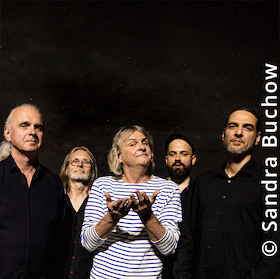
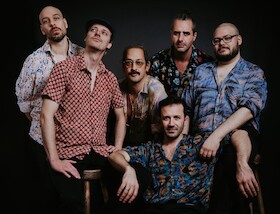
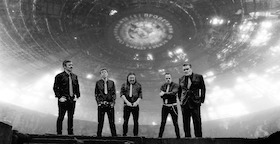
Die Moderation des Abends übernimmt auch in diesem Jahr wieder die bekannte Band Zärtlichkeiten mit
Freunden. Sie ist gut bis sehr gut. Die Zuzweitunterhalter Ines Fleiwa und Cordula Zwischenfsch haben
mehr als 20 Kleinkunst- und Comedypreise auf dem Schrank stehen. Darüber freuen sie sich
dementsprechend. Die jeweiligen Eltern sind auch stolz darauf. Die beiden Grobmusiker gastierten bereits
auf vielen Silberhochzeiten, Sportfesten und CB-Funkertreffen. Sie sind alte Hasen in der
Unterhaltungsbranche. Zärtlichkeiten mit Freunden, um den Namen noch einmal zu nennen, spielen Hits.
Aber das ist ihnen nicht genug, sie machen auch Witze. Das ist eigentlich schon alles, was wichtig ist.
Eingeladen haben die zwei bei dieser furiosen Show diesmal folgende Gäste:
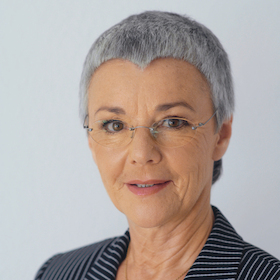
Jacky Feldmann würde wahrscheinlich noch immer gemütlich auf einer Wiese liegen mit einem Tetra Pak
unterm Arm und einer Sonnenblume im Haar; wäre da nicht plötzlich die Schule zu Ende gewesen. Was nun
anfangen mit der neu gewonnenen Zukunft? Chemikerin, Polizistin oder doch Klärwerktaucherin werden?
Eine Karriere als Hammerwerferin strebte Jacky zunächst an (kein Scheiß), diese scheiterte doch an ihrer
eher zierlichen Gestalt und ihrem quiekenden Wurfschrei. Die Wahl fiel schlussendlich auf einen
Schreibtisch-Job beim Finanzamt. Der Alltag zog ein; aber auch die Komik. Dass Umsatzsteuer und
Mehrwertsteuer keine Pokemons sind, wusste die junge Sauerländerin schon vorher. Doch die Geschichten,
die Jacky als Finanzbeamtin erfahren hat, sprechen eine eigene Sprache…
Thomas Nicolai ist Parodist, Sprechkünstler, Comedian und Entertainer. Auf der Bühne wechselt er die
Charaktere so flink wie einst Klaus Kinski seine Laune. Die Versammlungsfreiheit gilt auch unter der
Schädeldecke und so verstrickt der personifizierte „Kessel Buntes“ wieder allerlei Charaktere in Szenen, die
mal unorthodoxe Hilfestellung im Alltag geben, mal Seltsamstes zutage fördern, mal Historisches Revue
passieren lassen und am Ende meist reichlich bescheuert eskalieren. Fehlen dürfen natürlich auch nicht die
Musikparodien. Zwischen Coldplay und Country, Max Raabe und Vamos a la Playa, zwischen Modern Talking
und modernem Elektrosound werden Gehörgang und Lachmuskeln gleichermaßen strapaziert. Am Ende
bleiben Lacher über Lacher und die Gewissheit, dass 1000 Stimmen bei ihm besser aufgehoben sind als bei
manchem Wahlkandidat.
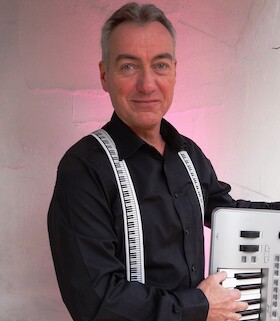
Wer Sebastian Krämer nicht kennt, der weiß vielleicht gar nicht, dass das gleichzeitig geht: Musik, die
berührt und überrascht und Texte von eindringlicher Geschliffenheit, die ganze Romane in wenigen Minuten
erzählen, eine Kleinigkeit voll Humor zum Leuchten bringen oder uns in Abgründe des Schreckens oder der
Sehnsucht reißen. Dazu eine einfühlsam filigrane Stimme, die die oft schonungslosen Scherze lapidar
überspielt, um den Feinheiten nachzuspüren. Doch doch, lachen werden Sie an einem Abend mit Sebastian
Krämer auch. Sogar ständig. Aber Sie werden am Ende nicht der Meinung sein, dass es sich dabei um den
entscheidenden Ertrag handelt.
Spätzle, Sex & Dolce Vita: Roberto Capitoni führt ein Leben zwischen Amore und Kehrwoche. Wir befinden
uns im Jahre 1962 n. Chr. Ganz Schwaben ist von den Römern besetzt... Ganz Schwaben, Nein! Ein von
unbeugsamen Schwäbischen-Allgäuern bevölkertes kleines Städtchen hört nicht auf, dem Eindringling
Widerstand zu leisten. Erfahren Sie mehr über Robertos Kindheit, Schulbesuche, den ersten Kuss, seine
Zeit als Punk und wie er zur Comedy kam. Lernen Sie auch seinen Patenonkel auf Sizilien in Palermo
kennen, wenn er Roberto, wieder einen seiner zahlreichen, gut gemeinten Tipps gibt, die aber leider nicht
immer hilfreich im Leben waren. Seien Sie dabei, wenn Roberto wie der Tasmanische Teufel über die Bühne
fegt, wie immer in 4D: Sehen, Hören, Fühlen, Lachen.
Freuen Sie sich auf ein Comedy-Feuerwerk, das nicht nur den Kopf zum Staunen, sondern auch das Herz vor Lachen höher schlagen lässt. Vorhang auf für einen unvergesslichen Abend in Weinböhla!
Einlass: 19:00

 Hallo, ich bin Maya.