Best New Play – Olivier Award 2023
Best New Play – WhatsOnStage Award 2023
»Dieses Stück ist ein Statement. Es bringt das Dilemma missbrauchter Frauen klug auf den Punkt. Nach diesem Abend ist klar, warum die Dunkelziffer bei Sexualdelikten so hoch ist, warum so viele Übergriffe nie zur Anzeige kommen. Weil das, was danach kommt, für viele Opfer nicht aushaltbar ist. Es ist ein Plädoyer für mehr Menschlichkeit im System, für die Veränderung.«
Die Deutsche Bühne
»Dass das Deutsche Theater Berlin es nicht im intimen Raum der kleinen Box bringt, sondern auf der großen Bühne der Kammerspiele, ist ein Statement.«
Nachtkritik
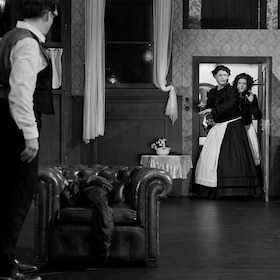
Wann ist Sex einvernehmlich, wann ist es eine Vergewaltigung?
Tessa ist ein Star in der Welt der Juristen, Richter, Staatsanwälte. Immer wieder gelingt es ihr, Männer, die wegen sexueller Übergriffe angeklagt sind, freizuboxen. Sie findet die Lücken in den Anklagen und verstrickt in Kreuzverhören die anklagenden Frauen so lange in Widersprüche, bis alles zusammenbricht.
Sie wird gefeiert, alles läuft super. Bis sie selbst zum Opfer wird. Nach einer ausgelassenen Party mit viel Wodka und Prosecco schläft sie mit ihrem Kollegen Julian. Es ist schön, sie mag ihn. Noch ist alles unverbindlich und leicht. Sie treffen sich wieder, haben erneut Sex. Doch später in dieser Nacht zwingt er sich ihr auf, ignoriert ihre Abwehrversuche, setzt sich durch.
War das eine Vergewaltigung? Oder nur ein Versehen in alkoholisiertem Zustand?
Tessa muss bald schmerzhaft feststellen, dass das Justizsystem für die Sanktionierung dieser Art von sexualisierter Gewalt nicht gemacht ist.
Suzie Millers Stück ist der aktuell meistproduzierte Theatertext im deutschsprachigen Raum. Nach der Uraufführung in Australien sahen die Londoner Produktion am National Theatre über 300.000 Zuschauer online. Damit begann nicht nur der Siegeszug dieses verstörenden Stücks, sondern auch eine breite Debatte darüber, wo die Grenze liegt zwischen einvernehmlichen Sex und Vergewaltigung.
STUDIO

 Hallo, ich bin Maya.